Selecting the Best Tumble Dryer Settings for Delicates
Delicate fabrics require careful handling throughout the laundry process, and drying is no exception. The choice of tumble dryer settings can significantly influence the texture, shape, and longevity of items like silk blouses, lace undergarments, and lightweight knits. Understanding how different cycles and temperatures interact with various fibers is essential for maintaining the quality of your clothing. This article explores the principles behind dryer settings for delicates, offering a methodology for selecting the most appropriate options without compromising fabric integrity.
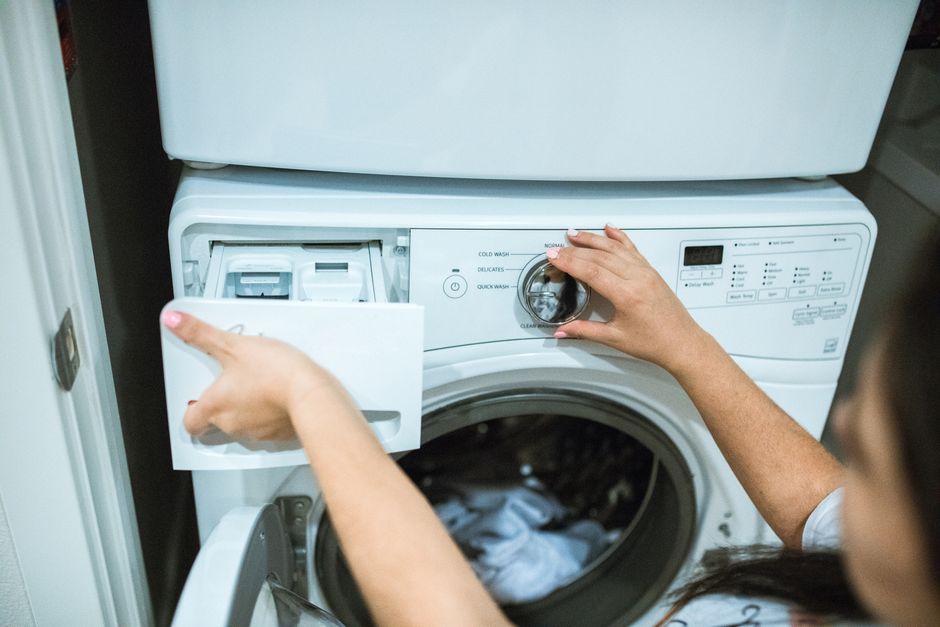
Many modern dryers come equipped with a range of cycles designed for specific fabric types, yet the terminology and symbols can be confusing. The goal is to demystify these settings by examining the science of heat and moisture removal, the characteristics of delicate materials, and the practical steps you can take to ensure your garments remain in excellent condition. By focusing on informational guidance rather than universal guarantees, this article provides a framework for making informed decisions tailored to your laundry needs.
The Importance of Low Heat and Gentle Action
Delicate fabrics are often composed of fine fibers that are more susceptible to damage from high temperatures and aggressive tumbling. Heat can cause proteins in natural fibers like silk and wool to break down, leading to weakening and shrinkage. Synthetic materials such as polyester and nylon can melt or deform when exposed to excessive heat, altering their shape and feel. Therefore, the foundational principle in drying delicates is to utilize low heat settings whenever possible.
Modern dryers typically offer temperature options such as low, medium, and high. For delicates, the low heat setting is generally recommended because it provides enough warmth to evaporate moisture without stressing the fibers. Some dryers also have an ‘air dry’ or ‘no heat’ option, which uses room-temperature air and requires a longer cycle. This can be particularly suitable for extremely fragile items that cannot tolerate any heat, such as beaded or sequined garments.
In addition to temperature, the mechanical action of the dryer plays a role. Gentle cycles are designed to tumble clothes with reduced agitation, often by alternating between tumbling and resting periods. This minimizes friction and pulling on delicate seams and embellishments. When selecting a cycle, look for features labeled ‘delicate,’ ‘gentle,’ or ‘low heat’ and avoid options like ‘heavy duty’ or ‘high heat’ that are intended for sturdy fabrics like denim or towels.
Understanding Dryer Cycles: Timed Dry vs. Auto Dry
Dryer cycles can be broadly categorized into timed dry and automatic dry (often called auto dry or moisture sensing). Timed dry allows you to set a specific duration, while auto dry uses sensors to detect when clothes are dry and automatically shuts off. For delicates, auto dry is typically the more reliable choice because it prevents over-drying, which can cause brittleness and shrinkage.
During an auto dry cycle, sensors measure the moisture level and adjust the heat and time accordingly. Many dryers have multiple auto dry settings, such as ‘less dry,’ ‘normal,’ and ‘very dry.’ For delicates, selecting the ‘less dry’ option is advantageous, as it stops the cycle while a small amount of moisture remains. This leaves garments slightly damp, which is suitable for ironing or hanging to finish drying, reducing the risk of heat damage.
On the other hand, timed dry requires you to estimate the drying time, which can be challenging. If you choose timed dry, it is advisable to select a short duration, such as 15 to 20 minutes, and then check the items. You can always extend the cycle if needed, but you cannot reverse the effects of over-drying. For consistent results, many laundry professionals recommend using the auto dry feature with a low heat setting for delicate fabrics.
Tailoring Settings to Specific Fabrics
Different delicate fabrics have unique care requirements, and understanding these nuances can help you choose the best dryer settings. natural fibers like cotton and linen, while considered durable in some forms, can still benefit from lower heat when they are finely woven. Organic cotton sheers or lightweight linen shirts are prone to shrinkage, so a low heat or air dry setting is preferable.
Silk is one of the most challenging fabrics to dry in a machine. It is extremely sensitive to heat and can develop water spots or lose its luster. Many manufacturers explicitly advise against machine drying silk, but if you decide to do so, you should select the absolute lowest heat or air dry setting and remove the items promptly while they are still slightly damp. For silk garments, laying them flat to dry is often a better alternative, but a low-heat tumble can be used for garments that are a blend of silk and other fibers.
Synthetic delicates, such as nylon, spandex, and polyester blends, are common in activewear and lingerie. These materials are generally resistant to shrinking but can be damaged by high heat. A low heat setting with a gentle cycle is typically sufficient. However, items with elastic components, like bras or swimwear, should be air dried to preserve the elasticity, as prolonged exposure to heat can degrade the rubber or spandex fibers.
Wool and cashmere require special attention. These animal fibers are prone to felting and shrinkage when exposed to heat and agitation. The safest approach is to avoid machine drying altogether, but if you must, use the coolest possible setting (often ‘air fluff’) and restrict the cycle to a very short time. Place a clean, dry towel in the dryer to absorb moisture and reduce the tumbling action. Always reshape and lay these items flat to finish drying.
Additional Considerations for Safe Drying
Beyond selecting the right cycle, there are several practical steps you can take to protect delicate garments during the drying process. Before placing items in the dryer, ensure they are properly prepared by fastening any closures (such as hooks or zippers) and turning garments inside out. This reduces friction on the outside surface and prevents snags.
It is also helpful to group items of similar fabric types together. Drying heavier items like towels with delicates can cause uneven drying and increased mechanical stress. Instead, separate delicates into their own load or combine them with other lightweight items. Additionally, using a mesh laundry bag can provide an extra layer of protection for very small or fragile pieces, such as lingerie, hosiery, or garments with delicate trim. These bags keep items contained and minimize direct contact with the drum walls.
When the drying cycle completes, remove the items immediately to prevent wrinkles and overheating. Over-drying, even on a low heat setting, can lead to stiffness and damage over time. Prompt removal also allows you to assess the condition of the garments and decide if any need to be finished by air drying. Always follow the care label instructions on each garment, and when in doubt, choose a more conservative setting.
It is important to remember that the impact of dryer settings can vary based on the specific fabric blend, the dryer model, and the initial moisture content of the clothes. Therefore, these guidelines serve as a general framework rather than a definitive rule.
Conclusion: A Practical Approach to Drying Delicates
Selecting the best tumble dryer settings for delicates involves a balance of temperature, mechanical action, and time. By prioritizing low heat and gentle cycles, you can minimize the risk of shrinkage, shape distortion, and fiber degradation. The use of auto dry features with a ‘less dry’ setting can further protect sensitive fabrics by preventing over-drying.
Each type of delicate fabric may require slight adjustments, and understanding the characteristics of natural and synthetic fibers allows you to make informed choices. While machine drying can be convenient, it is not suitable for all delicates, and considering alternatives like air drying for certain items is a prudent practice.
Ultimately, the key to preserving your delicate clothing lies in adopting a cautious and informed approach. By following these recommendations and observing how your garments respond, you can develop a drying routine that maintains their appearance and longevity. Remember to respect the care labels and adjust your methods as needed.